
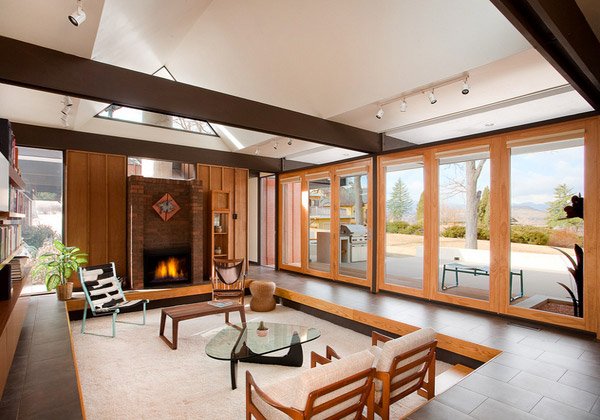
The cost of residential window tinting depends on several factors, including the size and number of windows, the type of film you choose, labor costs in your area, and the complexity of the installation. While prices vary, residential Residential Window Tinting Cost window tinting is generally much more affordable than replacing windows with energy-efficient glass.
Factors That Affect Cost
- Window size and shape
- Number of windows
- Film quality
- Professional installation
- Home location
- Warranty coverage
Average Cost by Film Type
| Window Film Type | Average Cost (Per Sq. Ft.) | Best For |
|---|---|---|
| Dyed Film | $5–$8 | Budget-friendly privacy |
| Metalized Film | $6–$10 | Heat reduction |
| Carbon Film | $8–$12 | Energy efficiency |
| Ceramic Film | $10–$15 | Premium performance |
| Decorative Film | $6–$14 | Style and privacy |
| Security Film | $8–$16 | Safety and protection |
Although premium films cost more upfront, they often provide better energy savings and last significantly longer.
Professional vs. DIY Residential Window Tinting
Many homeowners wonder whether they should install window film themselves or hire a professional.
Professional Installation
Pros
- Bubble-free finish
- Precise cutting
- Manufacturer warranty
- Longer lifespan
- Professional tools
- Faster installation
Cons
- Higher initial cost
Professional installation is recommended for large windows, custom glass, and premium ceramic films.
DIY Installation
Pros
- Lower upfront cost
- Suitable for small windows
- Good for experienced DIYers
Cons
- Air bubbles
- Dust contamination
- Misaligned film
- No labor warranty
- Higher risk of peeling
For most homeowners, professional installation delivers better long-term value.
How Residential Window Tinting Is Installed
Professional installers follow a step-by-step process to ensure a flawless finish.
Step 1: Window Inspection
The installer checks each window for cracks, chips, or damaged seals.
Step 2: Glass Cleaning
The glass is cleaned thoroughly to remove dust, dirt, grease, and debris.
Step 3: Measuring the Window
Each window is measured carefully so the film fits perfectly.
Step 4: Cutting the Film
The film is cut to match the exact dimensions of the glass.
Step 5: Applying the Film
A special application solution is sprayed onto the glass before positioning the film.
Step 6: Removing Air Bubbles
A professional squeegee removes excess water and air bubbles.
Step 7: Drying and Curing
The film cures over several days, depending on weather conditions.
How Long Does Residential Window Tinting Last?
High-quality residential window films are built to last.
Typical Lifespan
- Dyed Film: 8–12 years
- Metalized Film: 12–18 years
- Carbon Film: 15–20 years
- Ceramic Film: 20–25 years
Proper maintenance can help maximize the lifespan of your window tint.
Maintenance Tips for Residential Window Tinting
Keeping your tinted windows in excellent condition is simple.
Do
- Clean with a soft microfiber cloth.
- Use ammonia-free glass cleaners.
- Wipe gently to avoid scratches.
- Inspect edges periodically.
Don’t
- Use abrasive scrubbers.
- Clean immediately after installation.
- Use sharp objects near the film.
- Apply strong chemical cleaners.
Following these tips helps preserve clarity and extend the life of your window film.
Common Mistakes to Avoid
Avoid these common mistakes when choosing or installing residential window tinting:
- Buying the cheapest film available
- Installing film on dirty glass
- Choosing the wrong tint level
- Ignoring local building regulations
- Attempting difficult DIY installations
- Failing to compare warranties
- Not hiring certified installers for large projects
Making informed decisions ensures better performance and durability.
How to Choose the Best Residential Window Tint
When selecting a window film, consider your primary goals.
For Energy Savings
Choose ceramic or carbon window film.
For Privacy
Select reflective or frosted privacy film.
For UV Protection
Look for films that block up to 99% of UV rays.
For Security
Install thick security window films.
For Decorative Purposes
Choose patterned or frosted decorative films that enhance your home’s appearance.
Frequently Asked Questions (FAQs)
Does residential window tinting reduce energy bills?
Yes. By reducing solar heat gain, residential window tinting helps lower cooling costs and improves energy efficiency.
Can window tint be removed?
Yes. Professional installers can safely remove old or damaged window film without harming the glass.
Does window tint make rooms too dark?
No. Modern window films come in different shades, allowing natural light to enter while reducing glare and heat.
Is residential window tinting worth it?
Yes. It improves comfort, protects interiors, enhances privacy, reduces UV exposure, and can lower energy costs, making it a valuable home improvement.
How long does installation take?
Most residential window tinting projects can be completed within one day, depending on the number and size of the windows.
Conclusion
Residential window tinting is a practical and cost-effective way to improve your home’s comfort, energy efficiency, privacy, and security. Whether you want to reduce heat, block harmful UV rays, or enhance the appearance of your windows, there is a film option to suit every need and budget.Choosing high-quality materials and professional installation ensures long-lasting performance and maximum value. With proper care, residential window tint can provide decades of benefits, including lower utility bills, increased indoor comfort, and better protection for your home’s interior. If you’re looking for a smart home upgrade that delivers both immediate and long-term advantages, residential window tinting is an excellent investment.see more.